


Understanding your habits and your motivations to quit drinking can help you understand the change you’re making in your life and reinforce why it’s important. But if you’re living with alcohol use disorder, drinking is more than a habit. People with alcohol use disorder can’t stop drinking even when it causes problems, like emotional distress or physical harm to themselves or others.
To get you started, here’s a list of support network options.

When you quit alcohol after using it consistently, your body spends about a week to a week and a half adjusting to its absence. This can create dangerous withdrawal symptoms but will typically fully resolve within two weeks. Benzodiazepinesare often the first treatment doctors suggest for alcohol withdrawal. Benzodiazepines can also reduce your risk of delirium tremens. Doctors will monitor your symptoms and risk for alcohol withdrawal complications.
Get online support.
But it can vary a lot based on the type of program you use. For instance, some 30-day inpatient programs cost $5,000, while others may cost $20,000. Similarly, 90-day rehab programs can range from $12,000 to $60,000. Severe delirium tremens can cause psychosis, which is a alcoholism disconnect from reality.
How Can You Effectively Remove Alcohol from Your Environment?
This means that if you suddenly stop drinking, you may experience symptoms of alcohol withdrawal. As you prepare your plan to quit drinking, make a list of the barriers that might be standing in your way and brainstorm ways to deal with these problems. Potential solutions might include looking for low-cost treatment heroin addiction options, joining a support group, and talking to a mental health professional. People who have alcohol use disorder that goes undiagnosed may have an especially difficult time cutting back on their alcohol consumption.
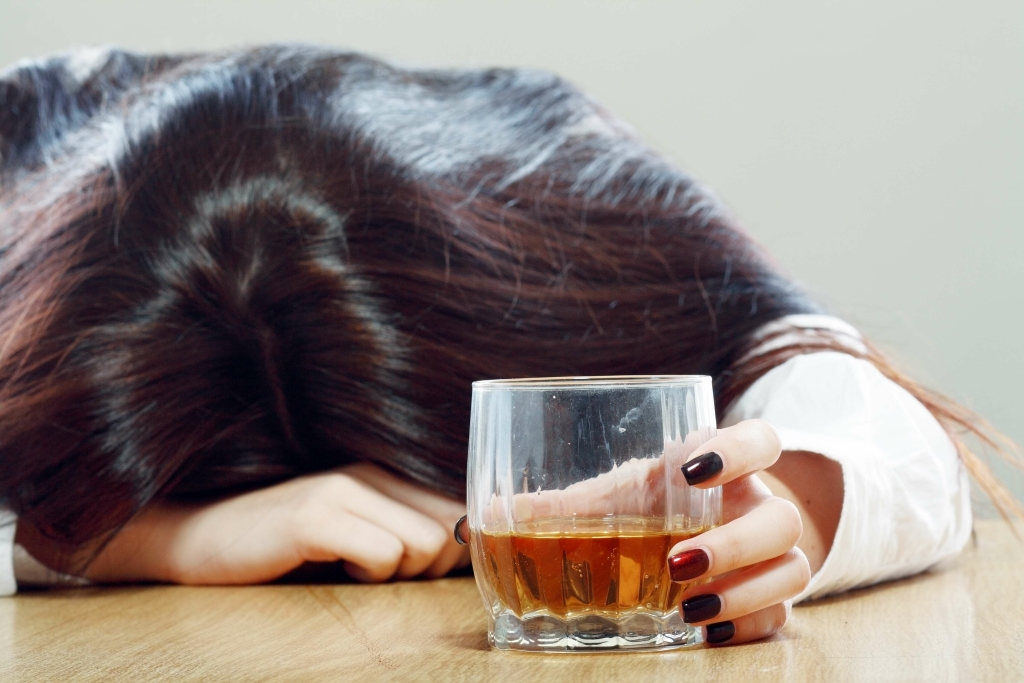
Whether you’re aiming for abstinence or simply want to cut back, this guide offers practical steps, medical insights, and helpful resources to support your journey. Excessive drinking has numerous impacts on your body and mind, ranging from mild to severe. Learn which signs to look out for, and how to care for your well-being. You can also get help by reaching out to a professional rehab facility directly, like The Recovery Village. We can leverage our resources and team to help you reduce and eventually end your alcohol use.
- What seems impossible and hard to do will become simpler when you follow the steps discussed in the article.
- He has conducted multiple clinical trials examining the use of naltrexone in primary care and other community settings.
- When you quit drinking alcohol, there isn’t any way around feeling like you’re missing something.
- Sobriety terrified me, but ruining my life scared me more.
while others may need several months or even years to fully quit.
One of the most popular adages in the recovery world is “one day at a time” or ODAAT. I cannot stress how important this mindset is, especially in the early days. Alcohol artificially boosts dopamine and serotonin levels in the brain, creating an imbalance. When you stop drinking, you’re at a dopamine deficit. One of the biggest culprits of slips and relapses is boredom.
- If you are struggling with addiction and co-occurring mental health, our expert team is here to guide you every step of the way.
- We know that alcohol makes mental health conditions worse and impairs cognitive function.
- Many people who give up alcohol report improvement in their overall ability to focus and say that they have more energy compared to when they drank.
- Start by writing about your drinking habits, your triggers, your emotions and your victories.
Addiction and Identity Ted Talk

It could also mean https://flexicases.com/is-alcoholism-a-chronic-disease-start-alcohol/ writing down your known triggers and having a plan of action for when they arise. It could be helpful to evaluate what has worked for you in the past when overcoming a difficult task and implementing the same strategy. Examining your drinking habits can help determine whether you can stop drinking alcohol on your own or if a treatment program would be beneficial. Say you don’t have any cravings when you go without drinking.
- Warning signs include increased tolerance, drinking to cope with stress, struggling to cut back, or experiencing withdrawal symptoms.
- Some people experience the pink cloud in the beginning and appear to do great.
- Dr. Victoria Perez Gonzalez is a highly respected doctor who specializes in the brain and mental health.
Stopping drinking requires self-awareness, structured planning, and long-term commitment. Key steps include recognizing the need to quit, seeking medical guidance, setting realistic goals, and building a strong support system. Tracking progress with apps, managing social situations, and learning from setbacks help sustain sobriety. Each step toward sobriety improves health, mental clarity, and relationships. With the right mindset and support, you can achieve a fulfilling, alcohol-free life. Tracking drinking habits helps identify patterns, triggers, and emotional responses to alcohol use.